Home Window Tinting: Save Energy and Comfort
By
Charlotte
Published
January 19, 2026
Read Time
5 min read
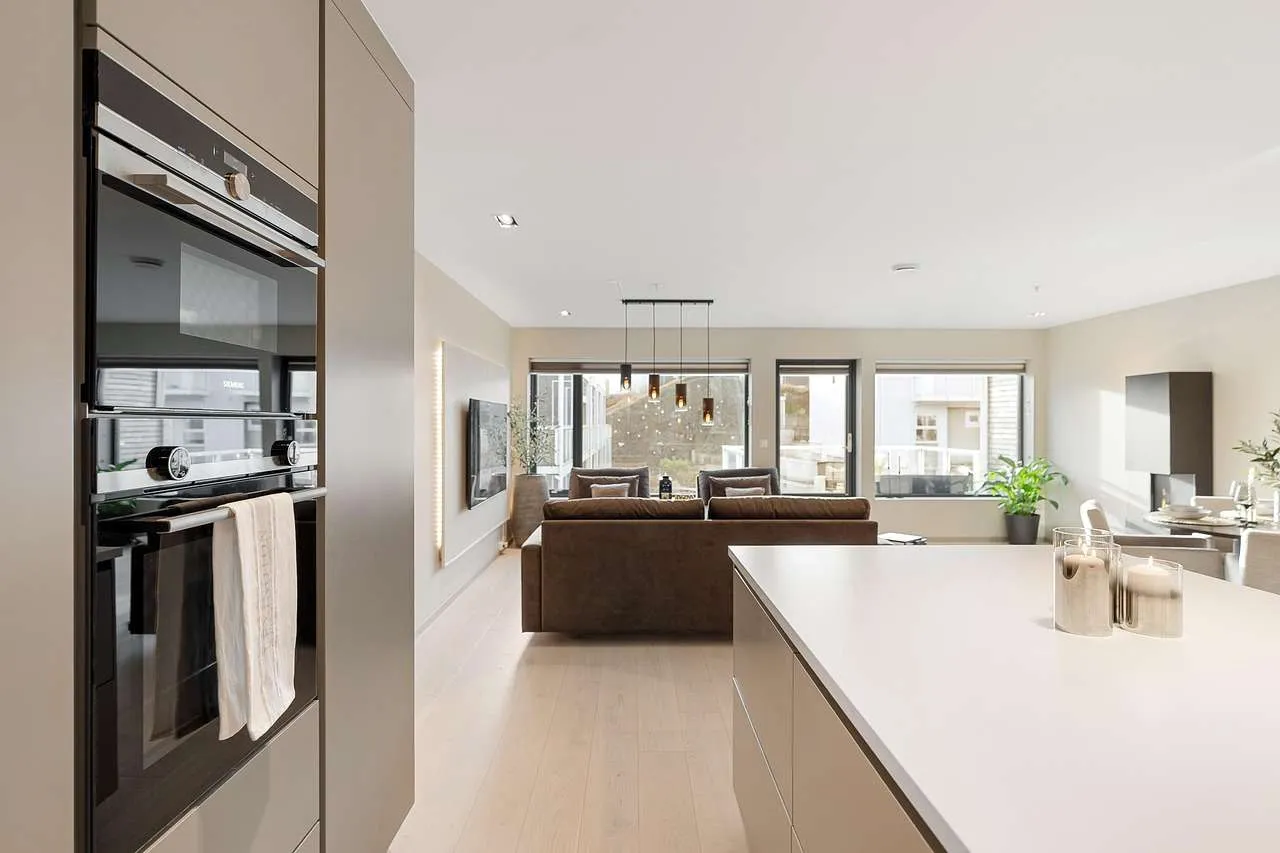
Home window tinting is a practical upgrade that adds energy efficiency, comfort, and privacy to residential spaces. Modern tint films block heat and UV rays while preserving natural light, helping homes stay cooler in summer and warmer in winter. This article explains how home window tinting works, what film types are available, how to choose the right option, and what to expect during installation and maintenance.
What is home window tinting?
Home window tinting refers to applying a thin film to interior or exterior glass surfaces. The film acts as a barrier that reflects or absorbs a portion of solar radiation. By reducing heat gain and controlling glare, tinting can improve indoor comfort without darkening the view from outside too much. Modern films also block the majority of ultraviolet UV rays, helping protect furnishings and prevent fading.
Benefits of home window tinting
Shade and energy efficiency are the primary drivers for many homeowners, but tinting offers several additional advantages. First, UV rejection preserves furniture, flooring, and artwork from fading. Second, glare reduction makes screens and dashboards easier to read, improving comfort for workspaces and living rooms. Third, privacy can be enhanced without sacrificing daylight, especially on ground floors and street-facing windows. Finally, some films contribute to home safety by holding shards in place during impact, depending on the product.
Types of window tint films
Dyed tint
Dyed films are affordable and provide basic color and opacity. They absorb heat but do not block infrared heat as efficiently as other options. They can fade over time and may have lower long-term durability, but they are a common entry point for budget projects.
Metalized tint
Metalized films reflect a portion of heat and offer strong glare reduction. They can interfere with radio or GPS signals in some cases and may appear slightly mirrored from the outside. Durability is generally good, but the film can crack in extreme temperature swings if applied poorly.
Ceramic tint
Ceramic films are among the high-performance options. They provide excellent UV rejection, strong heat control, and minimal color change. They preserve natural light better than many other films and are renowned for durability and clarity, though they carry a higher price point.
Carbon tint
Carbon films offer good heat rejection without the mirrored look of metalized options. They typically maintain color stability over time and provide solid glare control and UV protection, with a moderate to high price range.
How to choose the right film
Key factors include visible light transmission VLT, solar heat gain coefficient SHGC, UV rejection, and the geometry of your home. A higher VLT preserves daylight but reduces tint depth, while a lower VLT increases privacy and heat reduction. Ceramic and carbon films generally deliver the best balance of heat control and light transmission, particularly in sunny climates. Consider the orientation of windows, climate, and whether you want to preserve the view or prioritize privacy.
Professional installation vs DIY
Professional installation ensures a clean application, proper edge sealing, and warranty protection. Pros can measure the glass accurately, minimize air bubbles, and tailor tint to local regulations. DIY kits are available and can be cost-effective for small projects, but misapplication can lead to warping, air pockets, or poor adhesion. If you choose DIY, follow manufacturer instructions, work in a dust-free environment, and practice careful trimming and squeegeeing.
Costs, ROI, and maintenance
Costs vary by film type, window size, and labor. On average, residential tint projects range from affordable options for small rooms to premium installations for entire homes. ROI comes from energy savings, reduced cooling loads, and longer asset life for furnishings. Maintenance is simple: clean with a soft cloth and a non-ammonia cleaner, avoid abrasive tools, and inspect edges periodically for peeling or bubbling, which may indicate moisture intrusion or poor adhesion.
Legal and safety considerations
Local laws and homeowner associations may regulate tint darkness on front-facing windows, especially in areas with security concerns or child safety requirements. Always verify permitted VLT ranges and certificate the film if required. For safety, choose films with strong adhesion, especially in areas prone to storms or potential impact. Professional installers can provide documentation to satisfy warranty and regulatory requirements.
Comparison at a glance: common tint types
| Type | VLT | UV Rejection | Heat Rejection | Glare Reduction | Durability | Typical Cost |
|---|---|---|---|---|---|---|
| Dyed | 15–50% | Moderate | Low–Moderate | High | Low | Low |
| Metalized | 15–60% | High | High | Moderate | Medium | Medium |
| Ceramic | 20–70% | Very High | Very High | Low–Medium | High | High |
| Carbon | 28–60% | High | Good | Moderate | High | Medium–High |
Summary of findings: The best choice depends on your climate, daylight needs, and budget. For most homes in sunny regions, ceramic or carbon films provide the strongest overall performance with minimal compromise on view. In tighter budgets or smaller spaces, dyed or metalized options can offer noticeable benefits though with trade-offs in longevity or signal interference. Always balance heat rejection, UV protection, and visual comfort when evaluating quotes.
Conclusion, By selecting the right tint type based on VLT, UV rejection, and climate, homeowners can reduce energy use, protect interiors, and maintain a pleasing view. Whether you hire a licensed installer or follow manufacturer guidelines for a DIY project, proper installation matters for warranty and safety. Regular cleaning and inspection help extend film life and preserve aesthetics. Consider local laws and HOA rules before tinting your windows to ensure compliance and peace of mind.